

The RFC1 Foundation advances education, testing, and research for RFC1-related CANVAS and spectrum disorders.
What is RFC1 disease?
RFC1 disease, most commonly known as CANVAS (Cerebellar Ataxia, Neuropathy, and Vestibular Areflexia Syndrome), is a rare genetic neurological condition that affects balance, coordination, and sensory nerve function. It is caused by an expanded repeat in the RFC1 gene, which disrupts communication between the brain, inner ear, and peripheral nerves.
Symptoms often develop gradually in adulthood and may include imbalance, sensory loss, and sometimes a chronic cough years before neurologic changes appear.
Watch this quick video “The story of RFC1 disease” …
Go to Learn About RFC1 for more.
The RFC1 Foundation - dedicated to:
improving awareness
accelerating research
supporting individuals and families affected by this under-recognized condition.
promoting earlier recognition and diagnosis through clear, accessible information.
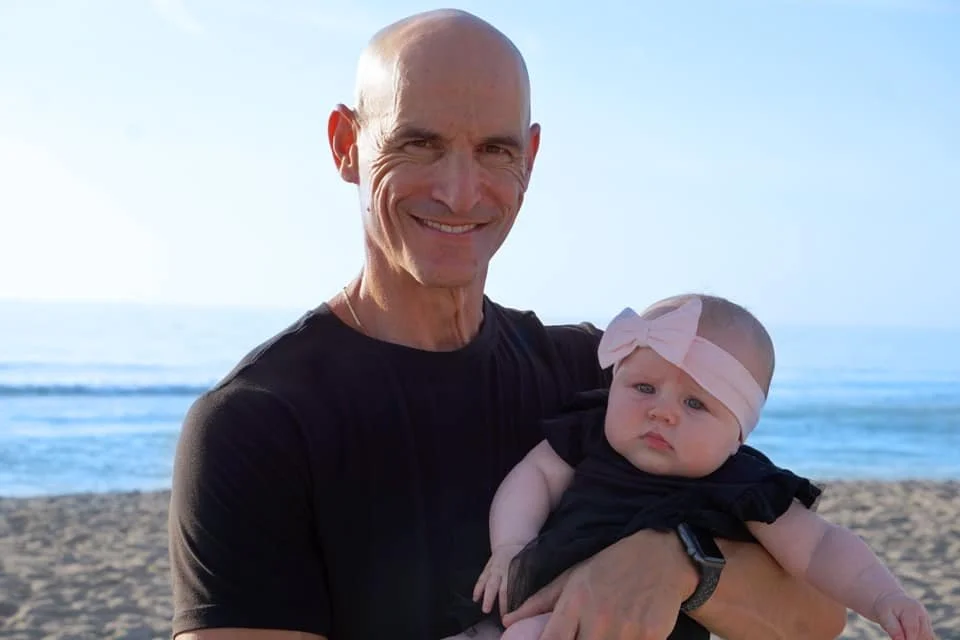
Founder, Dr. Allan Tissenbaum - His story
For years, I diagnosed patients. I did not expect to become one of medicine’s missed diagnoses.
For more than two decades, I lived with a chronic cough….Read more
Save the Date: Educational Seminar
Thursday, December 10, 2026
5:00 p.m. Eastern Standard Time
Online via Zoom
Join the RFC1 Foundation for our next educational seminar featuring neurologist and researcher Dr. Puneet Opal.
Our planned focus is understanding RFC1 disease as a spectrum: how it affects the nervous system, how these changes relate to symptoms, and why its effects can extend beyond the traditional CANVAS diagnosis.
The final program and registration link will follow.
About Our Speaker
Puneet Opal, M.D., Ph.D., is the Lewis John Pollock Professor of Neurology and Professor of Cell and Developmental Biology at Northwestern University Feinberg School of Medicine. He established Northwestern’s ataxia clinic and directs the Denning Ataxia Center.
A physician-scientist specializing in genetic movement disorders, Dr. Opal combines patient care with research into the cellular and molecular causes of neurodegeneration. His work includes natural history studies, biomarkers and approaches aimed at developing new treatments for ataxia. www.neurology.northwestern.edu